We combine evidence-based psychiatric medicine with functional health strategies to deliver compassionate, root-cause treatment for teenagers (16+) and adults.
At EPIC Psychiatry & Functional Medicine, led by Dr. Theresia Tabe, DNP, PMHNP, we believe a diagnosis is not a label—it is a roadmap. Mental health symptoms are rarely isolated; they are connected to biological, emotional, environmental, and lifestyle factors. Whether you are dealing with daily anxiety or navigating complex behavioral challenges, we offer non-judgmental, evidence-based care tailored to your unique needs.

Ages 16+
01
Compulsive behaviors and substance dependencies often develop as coping mechanisms for underlying trauma, mood disorders, or chronic stress. We provide dual-diagnosis psychiatric care that treats both the addictive behavior and its root mental health triggers.
Common symptoms
Inability to stop compulsive habits or substance use, physical or emotional dependence, cravings, relationship strain, and guilt.
Our approach
Medication-assisted treatment (MAT) to manage cravings, paired with dual-diagnosis psychiatric management and lifestyle interventions to promote sustainable recovery.
02
ADHD affects executive function, impulse control, working memory, and daily focus. Many adults and teens struggle for years without realizing their difficulties stem from neurodevelopmental differences.
Common symptoms
Chronic disorganization, trouble finishing tasks, executive dysfunction, restless energy, impulsive decision-making, and emotional dysregulation.
Our approach
Comprehensive diagnostic testing and evaluations followed by personalized treatment strategies combining stimulant or non-stimulant medications with executive function strategies.
03
Persistent, excessive worry can hijack your autonomic nervous system, keeping your body in a constant ‘fight-or-flight’ response that impacts sleep, digestion, and quality of life.
Common symptoms
Constant nervousness, racing thoughts, muscle tension, fatigue, social avoidance, and sleep disturbances.
Our approach
Targeted psychiatric medications to quiet nervous system hyperarousal, combined with functional health assessments to identify physical triggers like caffeine, thyroid imbalances, or gut health issues.
04
Depression is a complex medical condition that affects energy levels, brain chemistry, self-worth, and overall vitality. It is far more than feeling sad—it can make simple daily tasks feel insurmountable.
Common symptoms
Loss of interest in hobbies, persistent sadness or emptiness, fatigue, brain fog, changes in appetite, and feelings of worthlessness.
Our approach
Tailored antidepressant medication management paired with functional protocols that evaluate inflammation, metabolic health, and lifestyle factors.
05
Panic attacks are sudden, intense surges of physical fear that peak within minutes. They often strike without warning, leading people to fear losing control or experiencing a medical emergency.
Common symptoms
Rapid heart rate, shortness of breath, chest tightness, dizziness, trembling, and fear of impending doom.
Our approach
Rapid-acting and preventive medication strategies alongside physical calming techniques to help you regain control over sudden panic surges.
06
Personality dynamics affect how individuals perceive themselves, manage emotions, and navigate relationships. Long-standing emotional patterns can cause significant distress without structured clinical support.
Common symptoms
Rapidly shifting self-image, intense interpersonal conflict, fear of abandonment, severe emotional sensitivity, and impulsive choices.
Our approach
Thoughtful medication management to stabilize underlying mood instability and impulsivity, creating a solid baseline for therapeutic growth and interpersonal stability.
07
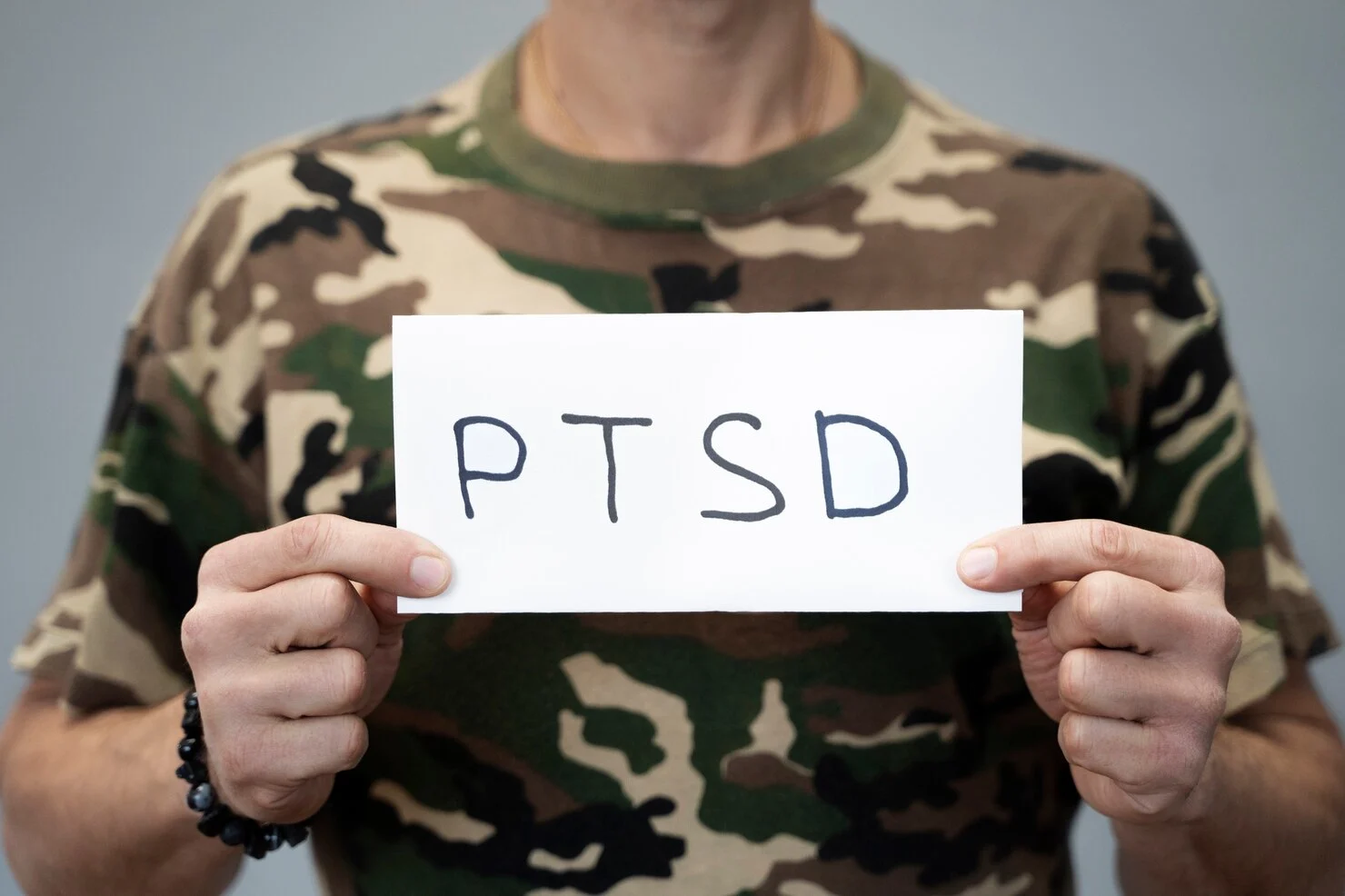
Traumatic events can leave a lasting imprint on brain function and nervous system regulation, leaving individuals feeling stuck in past distress.
Common symptoms
Intrusive flashbacks, night terrors, hypervigilance, emotional numbness, heightened startle response, and avoidance of triggers.
Our approach
Trauma-informed psychiatric evaluations, safe medication oversight to target night terrors and hyperarousal, and nervous-system grounding strategies.
08
Conditions involving psychosis impact how a person processes reality. With specialized medical care, individuals can achieve symptom stability and maintain meaningful daily lives.
Common symptoms
Hallucinations (hearing or seeing things others do not), delusions (unshakable false beliefs), disorganized thinking, and social withdrawal.
Our approach
Expert antipsychotic medication management focused on reducing active symptoms while minimizing side effects, supporting long-term community functioning.
09
Self-injurious behaviors are often non-suicidal expressions of overwhelming emotional pain or distress dysregulation. We offer a safe, empathetic space focused on safety and coping.
Common symptoms
Deliberate physical harm used to cope with emotional numbness or unbearable feelings, secretiveness, and shame.
Our approach
Non-judgmental psychiatric care focused on emotional stabilization, medical safety planning, distress tolerance tools, and mood regulation.
10
Intense behavioral outbursts or severe agitation in teens (16+) and adults can disrupt family life, employment, and personal safety.
Common symptoms
Explosive verbal or physical outbursts, severe agitation, destruction of property, and extreme difficulty regulating anger.
Our approach
Rapid clinical evaluation to identify underlying mood, neurodevelopmental, or trauma causes, accompanied by targeted mood-stabilizing medication protocols.
11
Experiencing rapid, unpredictable shifts in mood—from intense highs or anger to deep low energy—can make daily life feel unpredictable and exhausting.
Common symptoms
Extreme emotional swings, sudden irritability, unpredictable energy shifts, and emotional reactivity out of proportion to the situation.
Our approach
Comprehensive diagnostic evaluation to differentiate bipolar spectrum disorders, hormonal fluctuations, or stress triggers, followed by mood stabilization care.
FAQ’s
Yes. Many mental health conditions overlap (such as ADHD and anxiety, or PTSD and depression). We design comprehensive care plans that address co-occurring conditions simultaneously.
Dr. Theresia Tabe specializes in treating teenagers aged 16 and older, as well as adults of all ages.
Yes! We are in-network with major insurance providers including BCBS, Aetna, Cigna, Humana, Medicare, Tricare, Optum, and Magellan.
Call us at (972) 954-5823 or request an appointment to schedule your initial evaluation.